Fentanyl decontamination in Lansing, MI
From small jobs to big projects, our local Lansing fentanyl decontamination pros get it done right — with honest, upfront pricing and fast scheduling.
What's included
Fentanyl decontamination
From urgent repairs to planned installs, Lansing Homicide Cleanup's licensed team handles fentanyl decontamination across Lansing — with an upfront price agreed before any work begins.
How it works
Fentanyl decontamination FAQ
Are the biohazard cleanup pros licensed and insured in Michigan?+
How fast can you respond in Lansing?+
Do you provide free estimates?+
Which neighborhoods in Lansing do you serve?+
Who do I call for a biohazard cleanup emergency in Lansing?+
How can I verify a biohazard cleanup company in Lansing is licensed and legitimate?+
Fentanyl decontamination in Lansing
Fentanyl decontamination is a specialized remediation process that addresses one of the most dangerous biohazards found in residential and commercial properties. Unlike other forms of drug residue cleanup, fentanyl poses a unique risk because even microscopic amounts—less than a grain of salt—can cause respiratory failure, overdose, or death through skin contact or inhalation. In Lansing, properties affected by fentanyl use, production, or storage require a methodical approach that goes far beyond standard cleaning. The work begins with a thorough assessment using surface swab testing to identify the presence and concentration of fentanyl. Technicians then establish containment zones to prevent cross-contamination, using negative air pressure and sealed barriers. All surfaces—walls, floors, countertops, HVAC ducts, and porous materials like carpet and drywall—are either treated with specialized chemical decontaminants that neutralize fentanyl or removed as hazardous waste. The process often involves multiple rounds of cleaning, followed by post-remediation testing to confirm that all traces have been eliminated. For Lansing property owners, this level of rigor is essential because fentanyl can persist on surfaces for weeks or months, posing a long-term hazard to new tenants, family members, or anyone who enters the space.
Why does this matter specifically for Lansing? The city has seen an increase in fentanyl-related incidents, and properties near downtown, along major corridors, or in rental-heavy neighborhoods like the Brody Neighborhood or Chandler Crossings may be at higher risk. Left untreated, fentanyl residue can migrate through ventilation systems or be tracked to other areas, creating a public health concern that affects not just one unit but entire buildings. Lansing Homicide Cleanup’s fentanyl decontamination process is designed to restore safety to these spaces, whether they are single-family homes, apartment complexes, or commercial properties. The goal is not simply to make a space look clean—it is to make it chemically safe for reoccupancy, which is why every job concludes with independent verification that fentanyl levels are below established safety thresholds.
Areas We Cover in Lansing
We provide fentanyl decontamination services across the greater Lansing area, including neighborhoods such as Averill Woods, Bailey, Bretton Woods, Brody Neighborhood, Chandler Crossings, and Cherry Hill. Our coverage also extends to properties near local landmarks like the Lansing Art Gallery, MICA Gallery, the Michigan History Museum, and the historic Michigan Millers Fire Engine. Whether your property is in a residential subdivision or a commercial district close to these cultural sites, our team can respond to your location and begin the assessment process promptly.
What to Expect
When you contact us for fentanyl decontamination, here is what the process looks like from start to finish:
- We schedule an on-site evaluation to test for fentanyl residue and identify the extent of contamination.
- You receive a clear explanation of the scope and the steps required, along with a timeline.
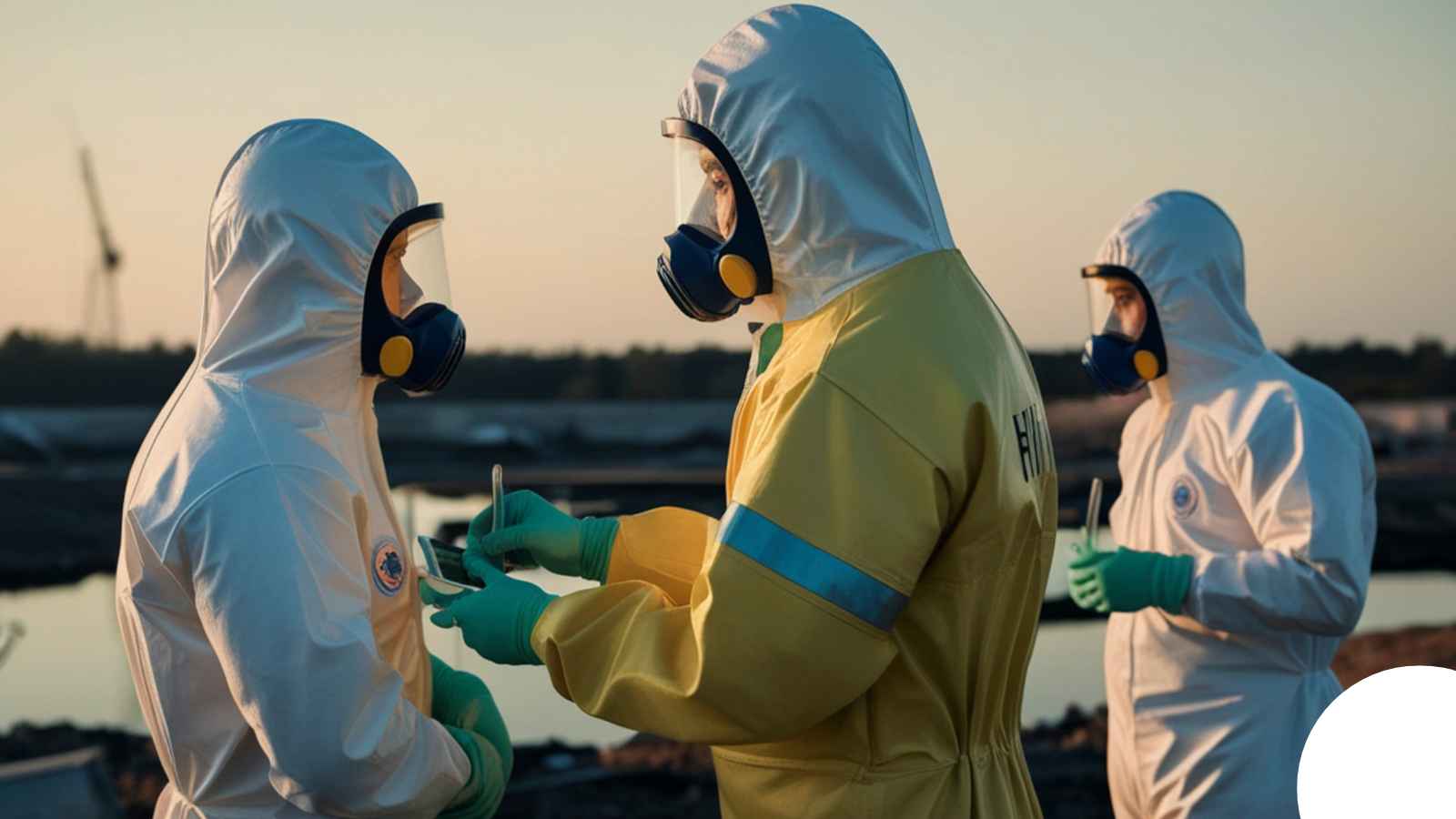
- Our team sets up containment and wear full PPE, including respirators and chemical-resistant suits.
- We remove all contaminated porous materials (carpet, upholstery, drywall) and dispose of them as hazardous waste.
- All non-porous surfaces are cleaned using EPA-approved decontaminants that neutralize fentanyl.
- The HVAC system is cleaned and tested to ensure no residue remains in ducts or vents.
- A final round of surface testing is conducted, and you receive a clearance report confirming the property is safe.
Throughout the process, we work to minimize disruption and keep you informed. Our focus is on thoroughness, not speed—because cutting corners with fentanyl can have fatal consequences.
If you own or manage a property in Lansing that may have been exposed to fentanyl, do not wait. Contact Lansing Homicide Cleanup today to schedule a professional assessment and begin the decontamination process. Your safety and peace of mind are our only priorities.